

The reality of an unattended death cleanup is something most people never expect to face, yet it becomes necessary in deeply emotional and complex situations. When a person passes away alone and is not discovered for some time, the environment can quickly become hazardous and overwhelming for family members. The process of handling an unattended death cleanup is not only about restoring a space but also about protecting health, dignity, and emotional well-being during a very difficult moment.
Unlike standard cleaning tasks, this situation involves biological risks, strong odors, and potentially unsafe materials that require specialized handling. Families often feel unprepared and emotionally distressed, which is why understanding how unattended death cleanup works can help bring clarity during confusion. In many cases, professional support becomes essential to ensure the process is handled safely, respectfully, and thoroughly.
Understanding Unattended Death Cleanup
An unattended death cleanup refers to the professional cleaning, sanitization, and restoration of a location where a deceased person was not discovered immediately. Depending on the time elapsed, biological decomposition can create contamination risks that go beyond ordinary cleaning capabilities.
What Happens in Such Situations
When a death goes unnoticed for hours or days, natural biological processes begin. This can lead to the release of bodily fluids, odors, and bacteria that spread into surrounding surfaces. As a result, an unattended death cleanup often involves deep cleaning of floors, furniture, and sometimes structural materials.
The purpose is not only visual restoration but also the complete removal of biohazardous substances. Without proper procedures, these contaminants can pose serious health risks to anyone entering the space.
Why Professional Help Is Essential
Handling an unattended death cleanup is not something that should be attempted without training. Professionals are equipped with protective gear, disinfectants, and industry-approved methods that ensure safety and compliance with health regulations.
Specialized Training and Equipment
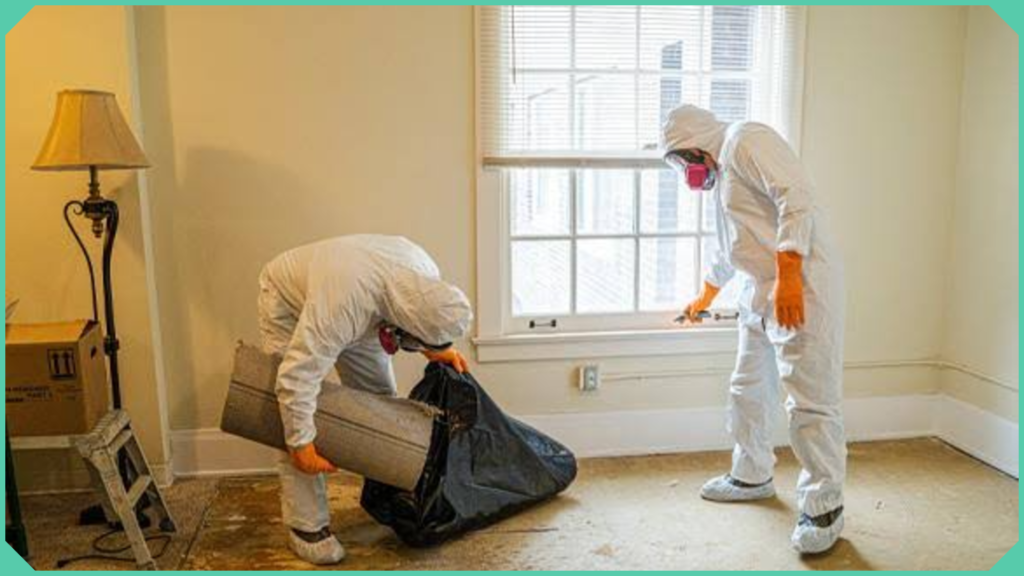
Trained technicians understand how biological contamination spreads and how to eliminate it safely. They use protective suits, respirators, and medical-grade cleaning agents designed specifically for biohazard environments. In an unattended death cleanup, this level of preparation is crucial to prevent exposure to harmful pathogens.
Respectful Handling of Sensitive Situations
Beyond technical expertise, professionals also approach these situations with compassion. Families are often grieving, and having a trained team manage the unattended death cleanup helps reduce emotional stress and allows loved ones to focus on healing instead of distressing physical details.
Health Risks Associated with Unattended Death Cleanup
One of the most important aspects of an unattended death cleanup is understanding the potential health hazards involved. Biological decomposition can introduce bacteria and airborne contaminants into the environment.
Biological and Environmental Risks
Fluids released during decomposition can seep into flooring, walls, and furniture. If not properly removed, these materials can harbor bacteria and pathogens. In some cases, mold growth can also occur due to moisture exposure, further complicating the unattended death cleanup process.
Air Quality Concerns
Strong odors and airborne particles can make the environment unsafe to breathe without proper filtration. Professionals use air scrubbers and deodorization techniques to restore safe air quality during an unattended death cleanup, ensuring the space is habitable again.
The Professional Cleanup Process
While every situation is unique, the general approach to an unattended death cleanup follows structured safety and sanitation steps designed to fully restore the area.
Assessment and Safety Preparation
The first step involves evaluating the affected area. Technicians identify contamination levels and determine which materials require removal. During an unattended death cleanup, this step ensures that no hazardous material is overlooked.
Containment and Removal
Contaminated items such as carpets, mattresses, or furniture may need to be safely removed and disposed of according to regulations. This prevents further spread of biological material.
Deep Cleaning and Disinfection
After removal, all remaining surfaces are thoroughly cleaned using specialized disinfectants. This stage of the unattended death cleanup ensures that bacteria and viruses are eliminated.
Odor Removal and Restoration
Odor neutralization is a critical part of the process. Professionals use advanced equipment to remove lingering smells and restore air quality. In many cases, the goal of an unattended death cleanup is to return the space to a safe, livable condition.
Emotional and Legal Considerations
An unattended death cleanup is not only a physical process but also an emotional and sometimes legal one. Families often struggle with grief while also dealing with property concerns and insurance matters.
Emotional Impact on Families
The emotional weight of entering a space where a loved one passed away can be overwhelming. Hiring professionals for the unattended death cleanup helps reduce direct exposure to distressing scenes, allowing families to grieve without additional trauma.
Insurance and Property Responsibility
In many cases, homeowners’ insurance may cover the cost of an unattended death cleanup, depending on the policy. Understanding these details can ease financial stress during an already difficult time.
Choosing the Right Cleanup Service
Selecting the right professionals for an unattended death cleanup is an important decision. Families should look for teams that are trained in biohazard remediation and follow strict safety guidelines.
Experience and Certification
A qualified service provider will have experience dealing with sensitive situations and proper certification for handling biohazard materials. This ensures that the unattended death cleanup is performed correctly and safely.
Compassion and Communication
Clear communication and respectful behavior are essential. Families should feel supported throughout the unattended death cleanup process, not overwhelmed or ignored.
Restoring Safety and Peace of Mind
After the completion of an unattended death cleanup, the goal is to restore not just the physical space but also a sense of safety. A properly cleaned environment helps prevent health risks and allows property owners to move forward with confidence.
The transformation from a hazardous space to a safe, clean environment demonstrates the importance of professional intervention. Without proper handling, contamination could remain hidden, but a thorough unattended death cleanup ensures nothing is left behind.
Conclusion
An unattended death cleanup is one of the most sensitive and technically demanding forms of cleaning. It requires not only specialized equipment and training but also empathy and respect for those affected. While the situation is emotionally difficult, professional services make it possible to restore safety, dignity, and peace of mind.
Understanding the importance of an unattended death cleanup helps families make informed decisions during challenging times. With the right support, what begins as a distressing situation can be managed with care, professionalism, and compassion, allowing healing to begin in a safe environment.
Frequently Asked Questions
What is an unattended death cleanup?
It is the professional cleaning and sanitization of a location where a person has passed away and was not discovered immediately, requiring biohazard removal and deep cleaning.
Why is professional help needed for unattended death cleanup?
Because the process involves biological risks, strong odors, and contamination that require specialized training and equipment to handle safely.
Is unattended death cleanup dangerous?
Yes, it can be hazardous due to bacteria, bodily fluids, and airborne contaminants, which is why trained professionals must handle the process.
How long does unattended death cleanup take?
The duration depends on the condition of the site, level of contamination, and size of the area. Some cases may take several hours, while others require multiple days.
Does insurance cover unattended death cleanup?
In many cases, homeowner’s insurance may cover part or all of the cost, depending on the policy and circumstances involved.