
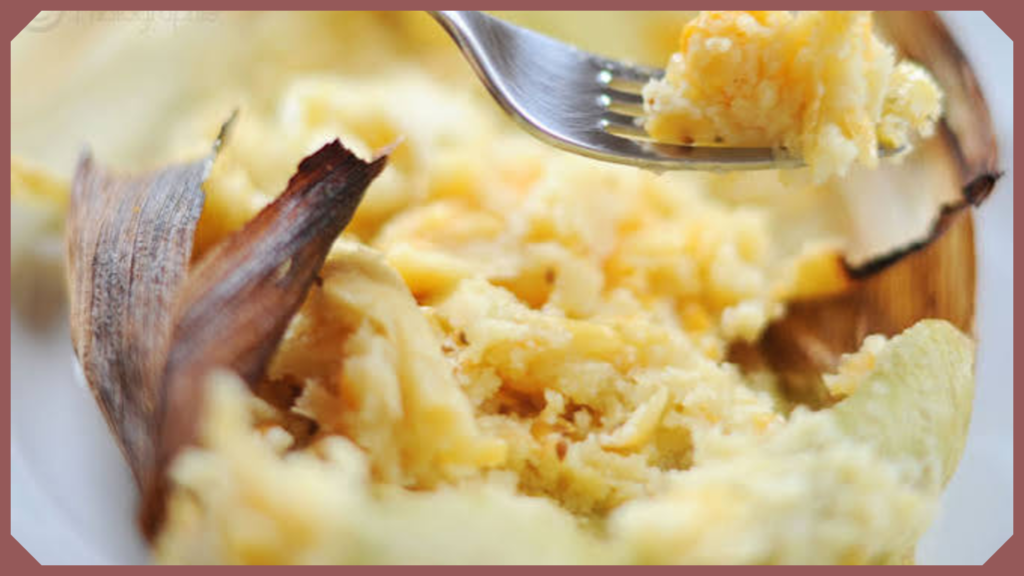

If you are searching for best humita en chala near me, you are probably looking for more than just a quick meal. You want authentic flavor, fresh ingredients, traditional preparation, and the comforting taste of a dish deeply connected to South American food culture. Humita en chala is a classic corn-based specialty, traditionally prepared with fresh corn, seasonings, and a flavorful filling before being wrapped in corn husks and gently cooked.
Finding the best humita en chala near me can be surprisingly rewarding because the quality of this traditional dish can vary considerably from one restaurant or food vendor to another. Some places focus on an old-fashioned recipe, while others introduce modern ingredients or creative variations. Understanding what makes a great humita will help you recognize authentic preparation and choose a satisfying place to try it.
What Is Humita en Chala?
Humita en chala is a traditional dish made primarily from fresh corn and cooked inside its own corn husk. The Spanish word “chala” generally refers to the dried or fresh husk surrounding an ear of corn. Instead of throwing the husk away, traditional cooks use it as a natural wrapper for the seasoned corn mixture.
The corn is usually processed into a soft, moist mixture and combined with ingredients such as onion, spices, herbs, cheese, or other regional additions. The mixture is then placed inside corn husks, wrapped carefully, and cooked until it develops a soft, cohesive texture.
The result is a dish that is simple in appearance but surprisingly rich in flavor. Fresh corn provides natural sweetness, while savory seasonings create balance. Depending on the regional recipe, humita can be creamy, slightly firm, mildly spicy, cheesy, or herbaceous.
When people search for the best humita en chala near me, they are often hoping to experience this traditional preparation rather than a generic corn-based dish.
The History Behind Humita en Chala
Humita has a long history in South American cuisine and is closely associated with Indigenous culinary traditions of the Andes and surrounding regions. Corn has been an important food crop in South America for thousands of years, and Indigenous communities developed many ways to prepare, preserve, and enjoy it.
Humita developed as a practical and flavorful way to use fresh corn. The husk provided a natural cooking wrapper, allowing the prepared corn mixture to be steamed or gently cooked without requiring elaborate equipment.
Over generations, humita became part of the culinary identity of several countries and regions. Argentina, Bolivia, Chile, Peru, and other parts of South America have their own interpretations. Recipes may differ in seasoning, texture, filling, cooking technique, and even the way the husk is folded.
This regional diversity is one reason why searching for the best humita en chala near me can produce very different experiences. Two restaurants may use the same basic ingredients while producing noticeably different versions.
Why Humita en Chala Remains Popular
Traditional foods often survive because they provide something that modern convenience foods cannot easily reproduce. Humita en chala combines cultural heritage with comforting flavor, making it appealing to people of different generations.
The dish is also naturally connected with seasonal cooking. Fresh corn is particularly important to traditional versions, and its sweetness contributes significantly to the final flavor.
Another reason for its popularity is versatility. Humita can work as a light meal, side dish, appetizer, or part of a larger South American-inspired dining experience. It can be enjoyed at home, in traditional restaurants, at food festivals, or at specialty establishments focused on regional cuisine.
For travelers and food enthusiasts, trying authentic humita can also become a cultural experience rather than simply another restaurant meal.
What Makes the Best Humita en Chala?
The best humita en chala usually begins with good-quality corn. Because corn is the foundation of the dish, its freshness and natural sweetness have a major influence on the final result.
Texture is equally important. A well-prepared humita should feel soft and moist without becoming watery or unpleasantly mushy. The corn mixture should hold together naturally while remaining tender.
Seasoning should complement the corn rather than completely overpower it. Traditional recipes often use onion, herbs, spices, and cheese to create a balanced flavor. The exact combination depends on the regional style.
The cooking method also matters. Properly wrapped humitas are gently cooked so the corn mixture develops its characteristic consistency while absorbing subtle aromas from the husk.
If you are evaluating the best humita en chala near me, pay attention to these details rather than judging a restaurant solely by appearance or popularity.
How to Find the Best Humita en Chala Near Me
Finding an excellent humita starts with understanding where authentic preparation is most likely to be found. South American restaurants specializing in Argentine, Andean, Chilean, Bolivian, or broader Latin American cuisine can be good places to investigate.
Restaurants with traditional regional menus may be more likely to prepare humita according to established culinary methods. Family-owned establishments can also be worth considering because traditional recipes are sometimes passed from one generation to another.
Another useful approach is to pay attention to how the restaurant describes its humita. A detailed description mentioning fresh corn, handmade preparation, corn husks, regional ingredients, or traditional cooking methods can provide useful clues.
When searching for the best humita en chala near me, consider the restaurant’s overall reputation for traditional cuisine rather than focusing only on a single menu item.
Freshness Makes a Major Difference
Freshness is one of the most important factors in corn-based dishes. Fresh corn contains natural sweetness and moisture that contribute to the soft texture expected from good humita.
A humita made with carefully selected ingredients tends to taste naturally sweet and savory rather than flat or overly processed. Fresh onions, herbs, cheese, and spices can further improve the experience.
This does not mean every excellent humita must follow one exact recipe. Traditional cooking has always involved regional variations. Instead, freshness should be considered alongside preparation quality and flavor balance.
If you are trying a restaurant for the first time, asking when the humitas are prepared can sometimes provide useful information. Restaurants that make them regularly may offer a fresher experience than places where the dish sits for extended periods.
Traditional Versus Modern Humita
One interesting aspect of humita today is the difference between traditional and modern interpretations.
Traditional humita generally emphasizes corn and regional ingredients. The goal is to preserve the natural character of the corn while adding enough seasoning to create depth.
Modern restaurants may experiment with ingredients, presentation, sauces, cheeses, or contemporary cooking methods. These variations can be enjoyable, particularly for diners who appreciate creative cuisine.
Neither approach is automatically better. If your goal is authenticity, look for a restaurant known for traditional South American cooking. If you enjoy experimentation, a modern interpretation may provide a completely different experience.
The important thing is to know what you are looking for when searching for the best humita en chala near me.
Humita en Chala as a Comfort Food
Humita has many characteristics associated with comfort food. It is warm, soft, aromatic, filling, and made from familiar natural ingredients.
The corn contributes gentle sweetness, while savory seasonings provide contrast. The husk itself also contributes to the traditional presentation, making the dish feel rustic and homemade.
For many people, traditional foods carry emotional associations. A familiar recipe can remind someone of family gatherings, holidays, childhood meals, or a particular region.
That emotional connection helps explain why humita continues to be appreciated even as restaurant menus become increasingly modern.
Nutritional Qualities of Humita
The nutritional profile of humita depends heavily on the recipe and portion size. Corn naturally provides carbohydrates and contains fiber along with several vitamins and minerals.
Additional ingredients can significantly change the nutritional content. Cheese can increase protein and fat, while butter or oil can add richness and calories. Vegetables and herbs can contribute additional nutrients.
For diners looking for a balanced meal, humita can be paired with vegetables, salads, lean proteins, or other dishes depending on the restaurant’s menu.
It is important to remember that “traditional” does not automatically mean low-calorie or suitable for every dietary requirement. Ingredients vary considerably between recipes.
Vegetarian-Friendly Potential
Humita can be a particularly interesting choice for vegetarian diners because many traditional recipes are based primarily on corn, vegetables, herbs, and sometimes cheese.
However, recipes differ, so diners with specific dietary requirements should always confirm the ingredients and preparation method with the restaurant.
This is especially important when searching for the best humita en chala near me because one establishment may offer a vegetarian recipe while another may use meat, animal-based ingredients, or a different filling.
The Importance of Texture
Texture is one of the easiest ways to distinguish a carefully prepared humita from a poorly executed version.
The mixture should generally be tender and moist, but it should not feel excessively watery. A good humita has enough structure to remain together while still feeling soft.
Corn that is processed too aggressively can produce an overly smooth texture. On the other hand, corn that is not prepared properly may leave the dish coarse or difficult to eat.
The ideal texture depends somewhat on regional preference, which means there is room for variation. Still, balance is essential.
Flavor Balance in a Traditional Humita
A successful humita should allow its ingredients to work together. Corn provides sweetness, while onion can add savory depth. Herbs and spices create aromatic complexity, and cheese may provide saltiness and richness.
The strongest versions are rarely dependent on one overpowering ingredient.
When tasting humita for the first time, consider the relationship between sweetness, saltiness, acidity, spice, richness, and texture. These elements can help you understand why one version feels more satisfying than another.
If the dish tastes excessively salty, greasy, dry, or bland, the preparation may not be as balanced as it could be.
How Humita Is Traditionally Served
Humita en chala is often served in its corn husk, which makes its presentation immediately recognizable. The husk is typically opened by the diner before eating.
The traditional presentation contributes to the experience because it emphasizes the connection between the ingredient and the cooking process.
Depending on the restaurant, humita may be served alone or alongside other regional dishes. It can complement grilled meats, salads, stews, empanadas, and other South American specialties.
The best pairing depends on the particular recipe. A rich, cheesy humita may work beautifully with a simple salad, while a lighter version can accompany more substantial dishes.
Humita en Chala for First-Time Diners
If you have never eaten humita before, you may initially wonder how it compares with other corn dishes.
The biggest difference is the combination of fresh corn, traditional seasoning, and husk cooking. Humita is not simply corn served in another form. The preparation method creates its own texture and flavor profile.
For someone accustomed to sweet corn dishes, the savory elements may be a pleasant surprise. For someone familiar with tamales, humita may seem somewhat similar because both involve a seasoned mixture cooked inside a natural wrapper.
However, the ingredients, texture, and regional culinary traditions make humita its own distinctive food.
Humita Compared With Tamales
Humita is sometimes compared with tamales because both can involve a corn-based mixture wrapped in a husk and cooked.
The comparison is understandable, but they are not identical. Tamales exist in many forms across Latin America and can contain a wide variety of fillings and doughs. Humita is more specifically associated with fresh corn and particular South American culinary traditions.
Humita often has a softer, more naturally sweet corn character. Tamales can have a firmer masa texture and may contain meats, vegetables, cheeses, or other fillings.
If you enjoy tamales, there is a good chance you will find humita interesting, but it is worth appreciating the dish on its own terms.
Common Mistakes When Choosing Humita
One common mistake is choosing a restaurant only because it has a large menu. A restaurant can offer dozens of dishes without specializing in traditional preparation.
Another mistake is assuming that every humita tastes the same. Regional recipes can differ significantly.
Some diners also judge the dish solely by its appearance. Because humita is wrapped in corn husks, the presentation may appear simple. Its real quality becomes clear through aroma, texture, freshness, and flavor.
When searching for the best humita en chala near me, take time to consider the restaurant’s culinary focus and reputation for authentic regional dishes.
Tips for Getting a Better Humita Experience
Timing can matter when ordering traditional dishes. If a restaurant prepares humitas in limited quantities, asking whether they are freshly made may help you get the best possible serving.
It can also be useful to ask about regional style. A restaurant may prepare its humita according to an Argentine, Andean, Chilean, or family-specific recipe.
If you are unfamiliar with the dish, start with a traditional version before trying creative variations. Once you understand the classic flavor, modern interpretations become easier to appreciate.
Finally, consider the entire dining experience. A good humita served in a restaurant that understands South American cuisine can be much more enjoyable than an isolated dish prepared without attention to its cultural context.
Why Authenticity Matters
Authenticity does not necessarily mean that every cook must follow one rigid recipe. Traditional cuisine naturally evolves as it moves between families, regions, and generations.
Instead, authenticity is often about respecting the ingredients, techniques, cultural background, and flavor principles that define the dish.
A restaurant can modernize its presentation while still maintaining the spirit of traditional humita.
For people searching for the best humita en chala near me, this distinction is important. The goal should not necessarily be to find the oldest-looking restaurant. The goal is to find a place that prepares the dish thoughtfully and understands what makes humita special.
The Growing Interest in Regional South American Food
Interest in regional cuisine has grown considerably as diners become more interested in authentic food experiences. Instead of choosing only globally familiar dishes, many people now want to explore traditional foods from specific communities and regions.
Humita fits perfectly into this trend because it has a strong cultural identity while remaining approachable.
Food enthusiasts are increasingly interested in handmade preparation, traditional ingredients, family recipes, and regional cooking techniques. These preferences have helped dishes like humita gain attention beyond their original geographic communities.
The growth of Latin American restaurants in different parts of the world also makes traditional foods more accessible to international diners.
Humita and Food Tourism
For travelers, food is often an important part of understanding a destination. Traditional dishes can communicate aspects of history, agriculture, family life, and regional identity that cannot be captured through sightseeing alone.
Humita is particularly suitable for food tourism because corn has such a significant role in South American culinary history.
Trying humita at a traditional restaurant can therefore become part of a broader cultural experience. Diners may discover regional variations and learn how ingredients and cooking traditions changed from one location to another.
Even when you are not traveling, searching for the best humita en chala near me can provide a similar opportunity to explore another culinary culture locally.
Modern Trends in Humita Preparation
Modern chefs continue to experiment with traditional dishes. Humita is no exception.
Some contemporary interpretations may feature different cheeses, additional herbs, roasted ingredients, alternative seasonings, or new presentation techniques. Restaurants focused on fusion cuisine may incorporate humita-inspired flavors into other dishes.
These trends can introduce the dish to new audiences, but traditional versions remain important because they provide the foundation from which innovation develops.
A balanced food culture can accommodate both approaches. Classic humita preserves culinary heritage, while modern variations demonstrate how traditional ingredients can inspire new ideas.
How to Recognize a High-Quality Restaurant
A restaurant offering excellent humita will usually demonstrate care throughout its menu rather than relying on one fashionable dish.
Look at the overall character of the cuisine. Does the menu show knowledge of regional South American food? Are traditional ingredients used thoughtfully? Does the restaurant appear to understand the difference between various regional specialties?
Customer feedback can also be useful, particularly when multiple people independently mention freshness, flavor, handmade preparation, and authenticity.
When possible, recommendations from people who are familiar with South American cuisine can be especially valuable.
Common Questions About Humita en Chala
Is humita en chala sweet or savory?
Humita can have both sweet and savory characteristics. Fresh corn naturally provides sweetness, while onions, herbs, spices, cheese, and other ingredients create savory depth. The balance depends on the regional recipe.
Is humita en chala vegetarian?
Some versions are vegetarian, particularly recipes based on corn, onion, herbs, and cheese. However, ingredients differ between restaurants, so it is always best to confirm the recipe if you follow a vegetarian diet.
Is humita similar to a tamale?
Humita and tamales share the concept of cooking a corn-based mixture inside a natural wrapper, but they are different traditional foods. Humita is strongly associated with fresh corn and South American cuisine, while tamales encompass many preparations throughout Latin America.
What does humita en chala taste like?
A typical humita has a soft corn flavor with natural sweetness combined with savory seasoning. Depending on the recipe, you may also notice onion, herbs, spices, or cheese.
Can humita be a complete meal?
Humita can be filling enough to serve as a light meal, but it is also commonly enjoyed as part of a larger meal. Its nutritional balance depends on the ingredients and serving size.
Why is it wrapped in corn husks?
The husk provides a traditional natural wrapper for cooking. It also helps maintain the shape of the humita and contributes to the dish’s distinctive presentation.
Final Thoughts on Finding the Best Humita en Chala Near Me
Searching for the best humita en chala near me is ultimately about discovering authentic flavor and understanding what makes this traditional dish special. Humita en chala is much more than a simple corn preparation. Its history, ingredients, cooking method, regional variations, and cultural importance all contribute to the experience.
The best version should begin with quality corn and carefully balanced ingredients. It should have a tender, moist texture, appealing aroma, and flavors that complement rather than overpower the natural character of the corn. Traditional preparation, thoughtful cooking, and freshness can make a significant difference.
Whether you are a longtime fan of South American cuisine or trying humita for the first time, exploring different versions can be an enjoyable culinary journey. Traditional recipes provide a connection to history and culture, while modern interpretations show how the dish continues to evolve.
Most importantly, do not judge humita only by its appearance. The simple corn-husk wrapping hides a dish with remarkable culinary depth. When you find a restaurant that prepares it with care, a search for the best humita en chala near me can lead to a memorable food experience that combines tradition, flavor, and genuine South American character.
You May Also Read
Looking for more interesting stories and useful information? Explore these related articles from FlashBeat:
Best Guiso de Lentejas Near Me
Best Guiso de Lentejas Near Me: A Complete Guide to Finding the Perfect Lentil Stew
Ellen DeGeneres Net Worth
Explore Ellen DeGeneres’ career, success, earnings, and estimated net worth.
Jacob Elordi Net Worth
Learn more about Jacob Elordi’s acting career, achievements, earnings, and net worth.
Jungkook Net Worth: Career, Earnings, Lifestyle, and Financial Success
Flashbeat Thanks